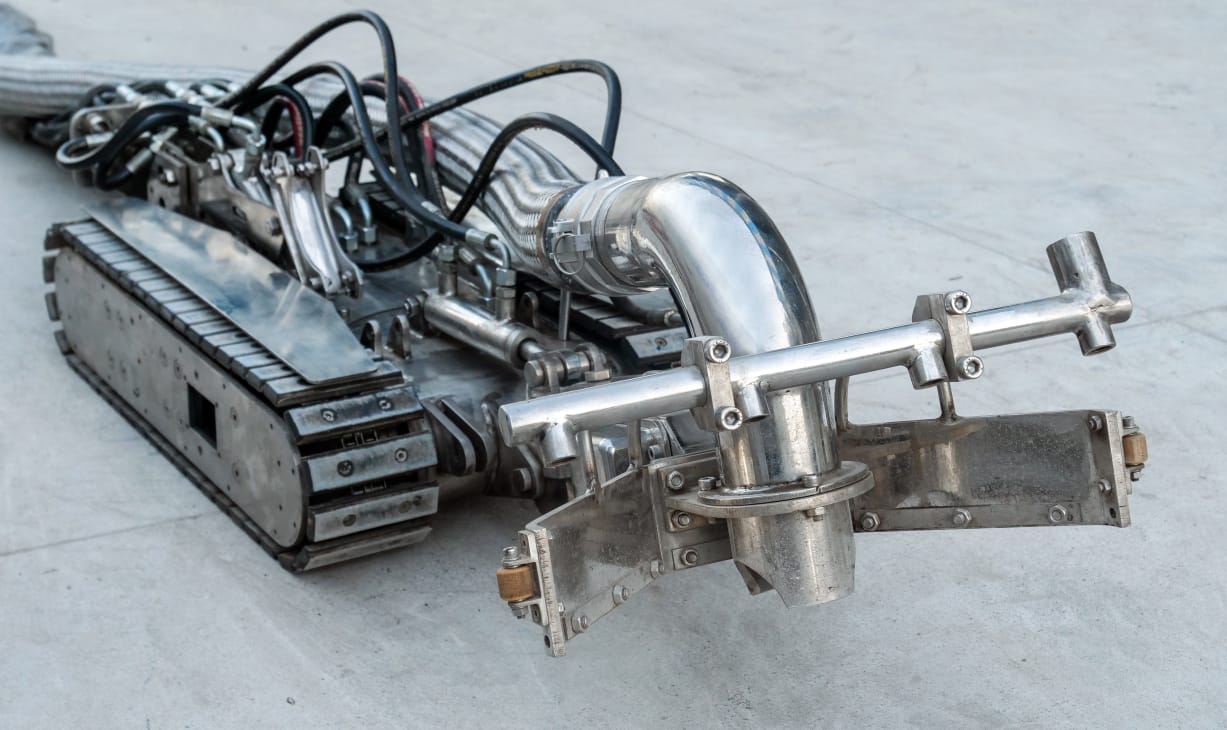
Typical oil sludge comes from normal production operations, tank bottom sludge, skimmed oil, pigging operations and workover spills. The percentage of constituents depends upon the source of the sludge/slop.
Oily sludge — major problems
- A hazardous waste
- Serious threat to ground water
- Difficult to separate constituents and meet the targeted KPIs (BS&W)
- Occupies tank volume and pollutes the clear fluid
- Commercial loss: loss of valuable product which can be recovered by our method
Low Steam Processing Unit: a solution for oil sludge treatment
The low steam processing unit (LSPU) is a valuable tool for effectively treating sludge. By introducing hot steam into the sludge treatment tank, it significantly reduces the viscosity of the sludge, making it more mobile and easier to process. This increased fluidity also aids in breaking down emulsions, facilitating the separation of oil and water. The LSPU offers a practical and efficient solution for improving sludge management and environmental sustainability.
Lagoon/pond cleaning
For lagoon and pond cleaning we deploy our bigger size robot named GAJANAN – 1.0.
Chemicals & equipment
Patented chemicals Sludge Treat and Slop Treat are used for operation.
ARSC31 Sludge
Crude oil sludge treatment, refinery waste treatment, tank bottom treatment, oil recovery.
ARSC51 Slop
Drilling slop treatment, drilling mud treatment, oil recovery.
Vibrating screen / strainer
A 5 mm screen is attached to the mainframe for screening out the larger particles (leaves, sticks etc.).
Static inline mixer
A helical mixer in clear tubing for continuous mixing of fluids through loss of pressure.
Progressive cavity pump
Transfers fluid by means of the progress, through the pump, of a sequence of small, fixed-shape, discrete cavities as its rotor is turned.
Decanter / tricanter centrifuge
Specially designed tricanter for oily sludge processing, built at the Arham Oil Gas workshop.
High speed separator
Centrifuge for final separation.
Possible application of a sludge/waste oil processing project in your area
- 90–95% of the oil contained in the sludge can be recovered as crude oil — reused as raw material for further refining or as a final product
- Separated solid is only approx. 10–20% of the original quantity of sludge, significantly reducing transport and landfill costs
- Elimination of the environmental hazard
FAQs
01What is sludge oil recovery and how does it work?
Sludge oil recovery involves extracting valuable hydrocarbons from oily sludge, a mix of oil, water and solids, using mechanical separation (e.g. centrifuges), thermal desorption and chemical treatment. Our integrated process recovers up to 95% of usable oil, reducing waste and maximizing resource value.
02What types of sludge can be treated?
Our systems handle a wide variety of sludge types from tank bottoms, skimmer oil, pigging operations, drilling fluids and industrial effluents. We customize treatment steps such as centrifugation, chemical demulsification and steam heating to optimize recovery based on sludge composition.
03How much oil can be recovered and what are the economic benefits?
Arham Oil routinely recovers 90–95% of hydrocarbons from processed sludge. Recovering oil not only offsets disposal costs and increases tank capacity but also generates direct revenue — especially when market prices are favorable.
04Can sludge oil recovery be performed on-site with mobile units?
Absolutely. Our modular, mobile recovery setups, including tricanter centrifuges and steam-based LSPU units, can be deployed on-site, eliminating transport costs and achieving full processing within a few days.
05How long does sludge oil recovery usually take?
Using mobile recovery units like tricanter centrifuges and steam-assisted systems, Arham Oil treats about 50–200 barrels (8–30 m³) per hour. A standard storage tank can typically be fully processed in under one week, while larger facilities may require 7–14 days total.